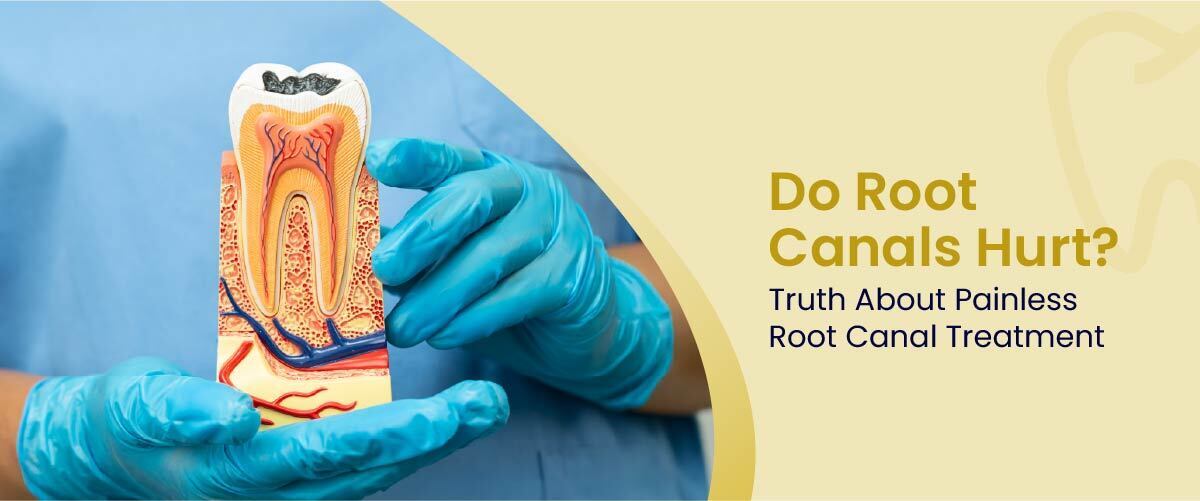
A root canal is needed when the soft pulp inside a tooth becomes infected or inflamed due to deep cavities, repeated dental procedures, cracks, or injury. Common signs you shouldn’t ignore include constant or throbbing tooth pain, prolonged sensitivity to hot or cold, swollen or tender gums, pain while chewing, a pimple-like bump on the gums, or tooth discoloration. If left untreated, the infection can spread to surrounding tissues and cause serious oral health issues. Timely root canal treatment removes infection, relieves pain, and saves the natural tooth.
When Is a Root Canal Necessary? Signs You Shouldn’t Ignore
- Published on :
- Last updated: December 30, 2025
-
Post Views: 208
Tooth pain is one of the most uncomfortable health issues a person can experience. Sometimes it starts as a mild sensitivity and slowly turns into constant pain that affects eating, sleeping, and daily life. In many such cases, a root canal treatment becomes necessary to save the tooth and relieve pain.
At Summit Dental Clinic, root canal treatment is recommended when the inner tissue of a tooth becomes infected due to decay, cracks, or trauma. While many people worry about the procedure, modern root canal care focuses on relieving pain and saving the natural tooth. Recognising the symptoms that indicate the need for treatment allows for timely and effective care.
What Is a Root Canal Treatment?
A root canal is a dental procedure used to treat infection or damage inside the tooth. Inside every tooth is a soft tissue called the pulp, which contains nerves and blood vessels. When this pulp gets infected or inflamed, it can cause severe pain and lead to serious complications if ignored.
During a root canal:
The infected pulp is removed
The inside of the tooth is cleaned and disinfected
The tooth is sealed and usually protected with a crown
The goal is simple: save the natural tooth and stop the pain.
Why Do Teeth Need a Root Canal?
A root canal is usually needed when bacteria reach the inner pulp of the tooth. This can happen due to:
Injury or trauma (even without visible cracks)
Once the pulp is infected, it cannot heal on its own.
Signs You Shouldn’t Ignore
Many people delay treatment because the pain comes and goes. This is risky. Below are the most common warning signs that indicate a root canal may be necessary.
Persistent Tooth Pain
Pain that:
Lasts for days
Worsens at night
Increases while chewing or biting
This often indicates nerve damage or infection.
Sensitivity to Hot or Cold
If sensitivity:
Lasts long after the hot or cold source is removed
Feels sharp or deep
It could mean the tooth pulp is infected.
Swollen or Tender Gums
Swelling near a tooth, especially with pain, can be a sign of infection spreading beyond the tooth.
Tooth Discoloration
A tooth turning grey or dark may indicate damaged internal tissue.
Pimple-like Bump on Gums
This is called a dental abscess. It may:
Release pus
Come and go
Cause a bad taste in the mouth
It’s a serious sign that should never be ignored.
Pain Without Obvious Cause
Sometimes, the nerve is already dead, and pain may be reduced temporarily. This does not mean the problem is solved.
Quick Warning Signs Table
| Symptom | Possible Meaning |
|---|---|
|
Constant toothache
|
Infected pulp
|
|
Hot/cold sensitivity
|
Nerve inflammation
|
|
Gum swelling
|
Spreading infection
|
|
Tooth darkening
|
Internal damage
|
|
Gum boil
|
Abscess formation |
What Happens If You Ignore These Signs?
Delaying treatment can lead to:
Severe infection
Jawbone damage
Tooth loss
Spread of infection to the surrounding teeth
Increased treatment cost later
Is a Root Canal Painful?
This is one of the biggest myths.
With modern technology and local anesthesia:
The procedure is mostly painless
Pain relief is often immediate after treatment
Most patients say it feels similar to getting a filling
At clinics like Summit Dental Clinic, advanced techniques ensure comfort and precision throughout the procedure.
Root Canal vs Tooth Extraction
Many people think removing the tooth is easier. However, saving your natural tooth is almost always better.
| Root Canal | Tooth Extraction |
|---|---|
|
Saves natural tooth
|
A tooth is lost
|
|
Maintains chewing ability
|
Requires replacement
|
|
Long-term solution
|
May need an implant or bridge
|
How Long Does a Root Canal Take?
Usually completed in 1–2 visits
Each session lasts 45–90 minutes
Recovery is quick, and most people return to normal activities the same day.
When Should You See a Dentist?
Immediately, if you experience:
Ongoing tooth pain
Swelling or pus
Sudden sensitivity
A cracked or injured tooth
How Early Treatment Makes a Difference
Early diagnosis:
Saves the tooth
Reduces treatment time
Prevents infection spread
Lowers overall dental costs
Final Thoughts
A root canal is not something to fear; it’s a solution designed to relieve pain, stop infection, and save your natural tooth. The key is recognizing the warning signs early and acting on them.
If you’re experiencing any of the symptoms mentioned above, a timely consultation at Summit Dental Clinic can help you protect your smile and avoid unnecessary complications.