Flossing removes food particles and plaque from between teeth where a toothbrush can’t reach. Regular flossing helps prevent cavities, gum disease, and bad breath. To floss correctly, gently slide the floss between your teeth, curve it around each tooth in a C-shape, and move it up and down without snapping it into the gums. Floss once a day for healthy gums and cleaner teeth.
Flossing Teeth: Why It Matters and How to Do It Correctly
- Published on :
- Last updated: December 31, 2025
-
Post Views: 173
Most people in India believe that brushing alone is enough to keep their teeth healthy. Brushing is important, but it only cleans about 60% of the tooth surface. The remaining 40% lies between the teeth, where toothbrush bristles simply cannot reach. This is where flossing becomes essential.
At Summit Dental Clinic, we often meet patients who brush twice a day but still struggle with cavities between teeth, gum bleeding, or bad breath. In many cases, the missing habit is flossing.
This guide explains why flossing matters, what happens when you skip it, and how to floss correctly, step by step, so you can protect your teeth and gums for the long term.
What Is Flossing and Why Is It Important?
Flossing is the act of cleaning between your teeth and below the gum line using dental floss or similar tools. These are areas where food particles and plaque easily get trapped.
When plaque is not removed:
According to dental research, nearly 80% of cavities in adults start between the teeth, making flossing a critical daily habit.
What Happens If You Don’t Floss?
Skipping flossing may not cause immediate pain, but over time, it leads to serious dental problems.
Common problems caused by not flossing
Cavities between teeth
Gum bleeding and swelling
Persistent bad breath
Gum disease
Tooth mobility and tooth loss in severe cases
A global study found that people who floss daily have up to 40% lower risk of gum disease compared to those who don’t.
Why Flossing Is Especially Important
Frequent consumption of sticky foods and sweets
Snacking culture
Use of tea, coffee, and sugary beverages
Crowded teeth due to jaw size
Delayed preventive dental visits
These factors increase plaque buildup in areas between teeth that brushing alone cannot clean.
Brushing vs Flossing: What’s the Difference?
| Aspect | Brushing | Flossing |
|---|---|---|
|
Cleans tooth surfaces
|
✔ Yes
|
❌ No
|
|
Cleans between teeth
|
❌ No
|
✔ Yes
|
|
Removes plaque at the gum line
|
Partial
|
✔ Effective
|
|
Prevents interdental cavities
|
❌ Limited
|
✔ Yes
|
|
Prevents gum disease
|
Partial
|
✔ Strongly
|
Both are essential. One cannot replace the other.
How Often Should You Floss?
Once a day is enough
Best time: Before bedtime
Floss before brushing for best results (it allows fluoride to reach between teeth)
Even flossing 4–5 times a week is far better than not flossing at all.
Types of Flossing Tools
| Tool | Best For | Ease of Use |
|---|---|---|
|
Dental floss (string)
|
Most people
|
Moderate |
|
Floss picks
|
Beginners
|
Easy |
|
Interdental brushes
|
Gaps, braces
|
Easy |
|
Water flosser
|
Seniors, braces
|
Very easy
|
Choose the tool you’re most likely to use consistently.
Step-by-Step: How to Floss Your Teeth Correctly
Step 1: Use the Right Length

Take about 18 inches (45 cm) of floss
Wrap around your middle fingers
Step 2: Gently Insert Between Teeth
Slide floss slowly
Avoid snapping it into the gums
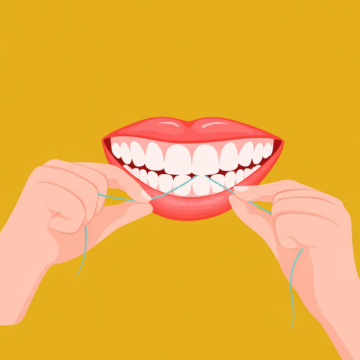
Step 3: Curve the Floss Around Each Tooth
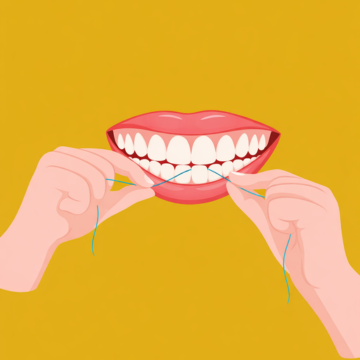
Form a C-shape around one tooth
Move up and down gently
Go slightly below the gum line
Step 4: Clean Both Sides
Clean one tooth, then the neighbouring tooth
Use a clean section of floss for each gap
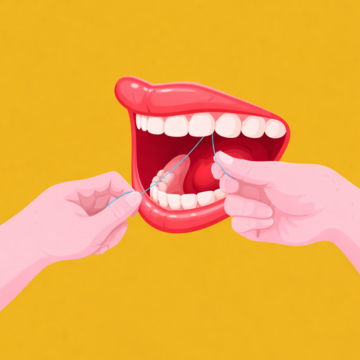
Step 5: Repeat for All Teeth
Don’t forget:
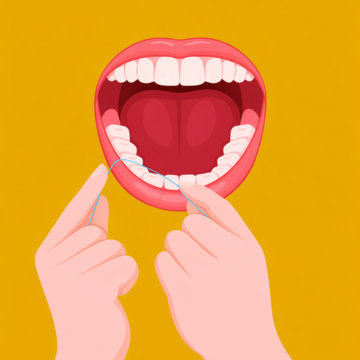
Back molars
Tight spaces
Common Flossing Mistakes to Avoid
| Mistake | Why It’s a Problem |
|---|---|
|
Snapping floss
|
Causes gum injury
|
|
Skipping back teeth
|
Plaque builds silently
|
|
Flossing aggressively
|
Leads to gum recession
|
|
Inconsistent flossing
|
Reduces benefits
|
|
Stopping due to bleeding
|
Bleeding is often a sign you NEED to floss |
Mild bleeding in the first 7–10 days is normal and usually improves as the gums heal.
Flossing With Braces, Crowns, or Implants
Braces: Use floss threaders or water flossers
Crowns & bridges: Floss gently around margins
Implants: Floss is critical to prevent peri-implantitis
Does Mouthwash Replace Flossing?
No.
Mouthwash:
Reduces bacteria temporarily
Freshens breath
But it cannot remove plaque stuck between teeth.
Mouthwash is a supplement, not a substitute.
How Flossing Saves You Money Long-Term
Studies show that regular flossers spend 30–50% less on dental treatments over time.
How Often Should You Visit a Dentist If You Floss Regularly?
Every 6 months for most people
Every 3–4 months, if you have gum issues or diabetes
Flossing + regular dental visits = strongest defence against dental disease.
Final Thoughts
Flossing may seem like a small habit, but its impact on your oral health is enormous. Brushing cleans what you can see, flossing cleans what you can’t. Together, they protect your teeth, gums, and overall health.
At Summit Dental Clinic, we believe that simple daily habits, when done correctly, can prevent most dental problems. If you’re unsure whether you’re flossing the right way or want personalised advice, professional guidance can make all the difference.