Brush your teeth twice daily using a soft-bristle toothbrush and fluoride toothpaste. Hold the brush at a 45-degree angle to your gums and use gentle circular motions to clean the front, back, and chewing surfaces of your teeth. Don’t forget to brush your tongue, spend at least 2 minutes brushing, and replace your toothbrush every 3 months. |
How to Brush Your Teeth Properly: A Step-by-Step Guide
- Published on :
- Last updated: December 31, 2025
-
Post Views: 263
Brushing your teeth may seem like the simplest habit in your daily routine. Most of us learn it as children and continue the same way for years. But here’s the truth: many people brush every day and still get cavities, gum problems, bad breath, or sensitivity, not because they don’t brush, but because they don’t brush correctly.
In India, dental surveys show that over 78% of people brush only once a day, and a large percentage use incorrect techniques or excessive force. This leads to avoidable dental problems later in life.
At Summit Dental Clinic, we often see patients who are surprised to learn that small changes in brushing technique can dramatically improve oral health. This guide explains how to brush your teeth properly, step by step, in a way that is easy to follow, practical, and suitable for Indian lifestyles.
Why Proper Brushing Matters More Than You Think
Bad breath
Tooth sensitivity
Receding gums over time
According to the World Health Organization, oral diseases affect nearly 3.5 billion people globally, and most of them are preventable with proper daily oral care.
How Often Should You Brush Your Teeth?
The correct answer is simple:
Twice a day (morning and before bed)
Two minutes each time
Why twice a day?
Morning brushing removes bacteria that grow overnight
Night brushing is critical because saliva flow reduces during sleep, allowing bacteria to damage teeth more easily
Brushing only once a day increases the risk of cavities by nearly 40–50%, especially in adults.
Choosing the Right Toothbrush and Toothpaste
Before learning the technique, let’s get the tools right.
Best Toothbrush for Daily Use
| Feature | What to Choose |
|---|---|
|
Bristles |
Soft or ultra-soft
|
|
Head size |
Small or medium
|
|
Handle |
Comfortable grip
|
|
Electric brush
|
Optional but helpful
|
Avoid hard-bristled brushes. They do not clean better and can damage gums and enamel.
Best Toothpaste
Fluoride toothpaste (1000–1450 ppm for adults)
For sensitivity: potassium nitrate or arginine-based toothpaste
Avoid abrasive powders or charcoal products for daily use
Step-by-Step: How to Brush Your Teeth Properly
This is the most important section of the guide.
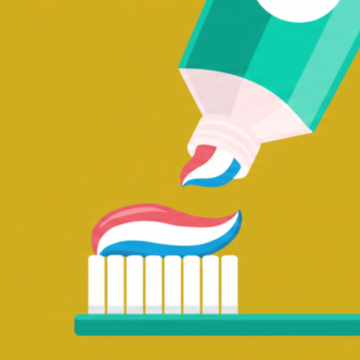
Step 1: Start With the Right Amount of Toothpaste
Adults: Pea-sized amount
More toothpaste does NOT mean better cleaning
Step 2: Hold the Brush at the Correct Angle
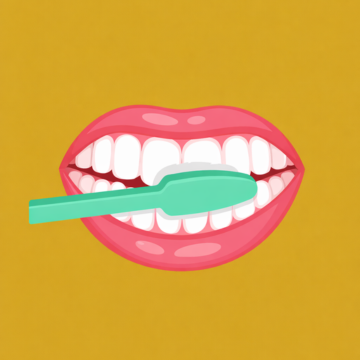
Hold the toothbrush at a 45-degree angle to the gum line
This allows bristles to clean both the tooth surface and the gum margin
Step 3: Use Gentle, Controlled Movements
Use small circular motions, not aggressive back-and-forth scrubbing.
✔ Gentle circles
✔ Light pressure
❌ No harsh scrubbing
Excess force can cause:
Gum recession
Tooth sensitivity
Enamel wear
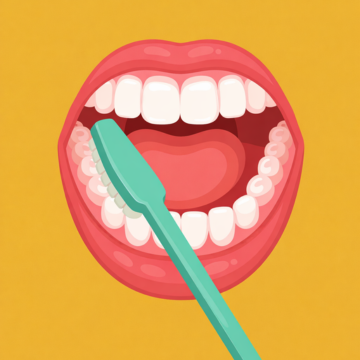
Step 4: Clean All Tooth Surfaces
Many people miss certain areas.
Make sure you brush:
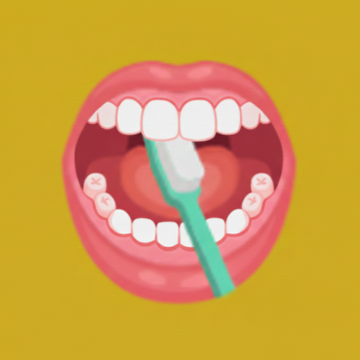
Outer surfaces (facing lips and cheeks)
Inner surfaces (facing tongue)
Chewing surfaces
Spend equal time on all areas.
Step 5: Don’t Forget the Gum Line
Plaque loves to hide near the gums.
Brush gently where the tooth meets the gum
Do NOT push bristles deep into the gums
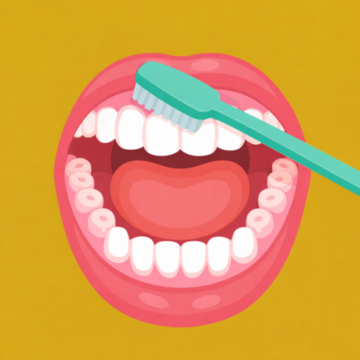
Step 6: Brush Your Tongue
Your tongue holds bacteria that cause bad breath.
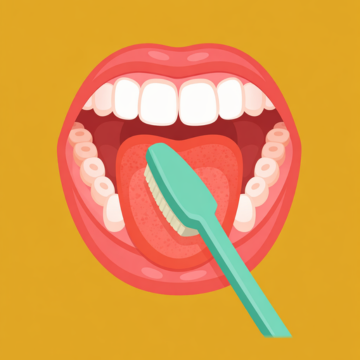
Gently brush the tongue or use a tongue scraper
Start from the back and move forward
Step 7: Time It Right
Brush for 2 full minutes
Divide time evenly across all quadrants
A helpful tip is using a 2-minute timer or an electric brush with a built-in timer.
Common Brushing Mistakes
| Mistake | Why It’s a Problem |
|---|---|
|
Brushing once a day
|
Increases cavity risk
|
|
Brushing too hard
|
Causes gum recession
|
|
Skipping night brushing |
Allows bacteria to damage teeth overnight
|
|
Using hard brushes
|
Wears enamel
|
|
Not brushing the tongue |
Causes bad breath |
|
Rinsing excessively after brushing
|
Washes away fluoride
|
Should You Rinse After Brushing?
Here’s a surprise for many people:
Do not rinse vigorously with water after brushing
Simply spit out excess toothpaste
This allows fluoride to stay longer on teeth and protect enamel.
Manual vs Electric Toothbrush: Which Is Better?
| Feature | Manual Brush | Electric Brush |
|---|---|---|
|
Cleaning effectiveness
|
Good (if used correctly)
|
Slightly better
|
|
Ease of use
|
Requires correct technique
|
Easier
|
|
Cost
|
Low
|
Higher
|
|
Best for
|
Most people
|
Kids, the elderly, and braces users
|
Both work well if used properly.
Brushing for Children, Adults & Seniors
Children
Use age-appropriate fluoride toothpaste
Supervise brushing until age 7–8
Adults
Focus on gum health and technique
Seniors
- Electric brushes can help with reduced grip strength
How Brushing Connects With Professional Dental Care
Even perfect brushing cannot remove hardened plaque (tartar). This is where professional cleanings matter.
At Summit Dental Clinic, we often see that patients who combine good brushing habits with regular check-ups experience:
Fewer cavities
Healthier gums
Less sensitivity
Lower long-term dental costs
How Often Should You Visit a Dentist?
Every 6 months for most people
Every 3–4 months, if you have gum issues, diabetes, or frequent cavities
Regular visits help catch problems early before pain begins.
Final Thoughts
Brushing your teeth properly is not about expensive products or complicated routines. It’s about correct technique, consistency, and awareness. Small daily habits, when done right, protect your teeth for decades.
At Summit Dental Clinic, we believe prevention is always better than treatment. With the right brushing habits and regular dental visits, you can maintain strong teeth, healthy gums, and a confident smile for life.
If you’re unsure whether you’re brushing correctly or want personalised guidance, a professional dental check-up can make all the difference.