Preventive dental care focuses on stopping oral health problems before they become serious, helping you maintain healthy teeth while avoiding expensive treatments. Regular dental checkups, professional cleanings, and early detection of issues like cavities or gum disease allow dentists to treat problems at an early stage, often with simpler and less costly procedures. Good daily habits such as proper brushing, flossing, and timely preventive treatments help preserve natural teeth, reduce the risk of infections, and minimize long-term dental expenses. By investing in prevention, you protect both your smile and your wallet.
How Preventive Dental Care Can Save Your Teeth and Money
- Published on :
- Last updated: January 28, 2026
-
Post Views: 69
Most serious dental problems don’t start suddenly. Cavities, gum disease, infections, and even tooth loss usually develop slowly, often without obvious pain in the early stages. This is why preventive dental care plays such a powerful role not only in protecting your teeth but also in avoiding expensive, complex treatments later.
At Summit Dental Clinic, preventive care is seen as the foundation of long-term oral health. This article explains how preventive dental care works, what it includes, and how it can save both your teeth and your money over time.
What Is Preventive Dental Care?
Gum health assessment
Preventive treatments like fluoride or sealants
Oral hygiene guidance
These steps help keep your teeth healthy and reduce the need for invasive procedures.
Why Dental Problems Often Go Unnoticed
Cavities may not hurt until they reach the nerve
Gum disease often begins without pain or visible symptoms
Small cracks can worsen over time without warning
Early infections may only show mild sensitivity
By the time pain appears, treatment is usually more complex and costly.
How Preventive Dental Care Saves Your Teeth
Early Detection Prevents Permanent Damage
When problems are caught early:
Small cavities can be treated with simple fillings
Gum inflammation can be reversed before bone loss begins
Cracks can be stabilised before the tooth fractures
Infections can be treated before reaching the nerve
Once damage reaches the inner tooth or supporting bone, saving the tooth becomes more difficult.
Protects Gum Health and Bone Support
Healthy gums are essential for keeping teeth stable. Preventive visits allow dentists to:
Detect early gum disease
Remove plaque and tartar buildup
Monitor bone levels
Prevent tooth loosening and loss
Advanced gum disease is one of the leading causes of adult tooth loss, yet it is highly preventable with routine care.
Reduces the Need for Major Treatments
Saving your natural teeth is always better than replacing them.
Fewer Emergency Visits
Dental emergencies are often painful, stressful, and expensive. Regular preventive visits reduce the risk of:
Sudden tooth pain
Swelling or abscess
Broken teeth
Urgent procedures
Planned care is always easier than emergency care.
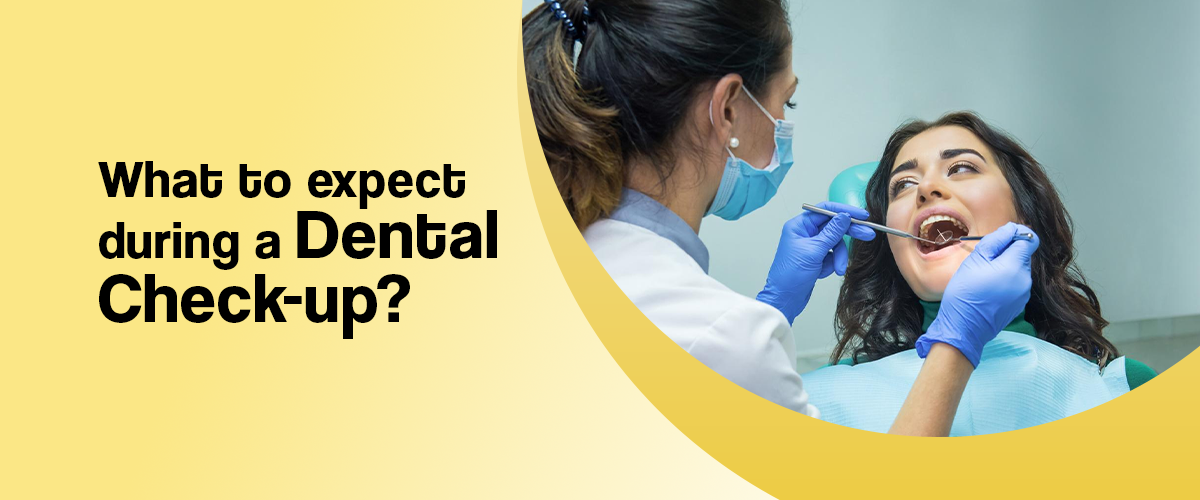
What Does a Preventive Dental Visit Include?
Examination of teeth, gums, and bite
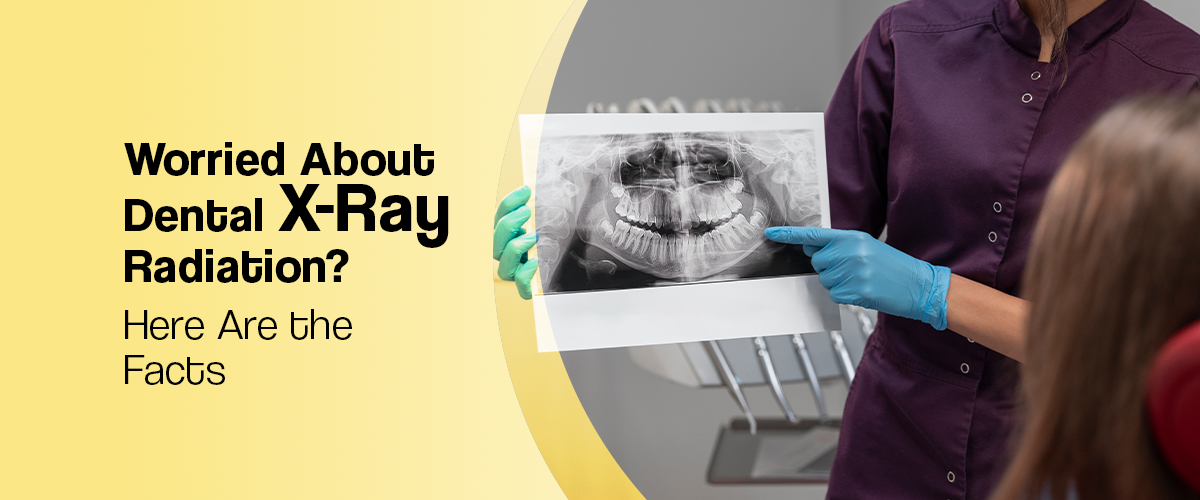
X-rays, if needed for early detection
Screening for cracks, decay, or infection
Personalised oral hygiene advice.
Preventive Care at Home Matters Too
Professional care works best when combined with good daily habits.
Daily Preventive Habits That Make a Difference
Brushing twice daily with fluoride toothpaste
Flossing or using interdental brushes
Cleaning the tongue
Limiting frequent sugary snacks and drinks
Drinking water after meals
Replacing toothbrushes regularly
These habits reduce plaque buildup between visits and support long-term results.
Who Benefits Most from Preventive Dental Care?
Even people with “no pain” benefit from routine monitoring.
Preventive Dental Care vs Reactive Dental Care
| Approach | Focus | Outcome |
|---|---|---|
|
Preventive care
|
Early detection and maintenance
|
Fewer problems, lower costs
|
|
Reactive care
|
Treating pain or damage
|
Higher cost, more procedures
|
Preventive care gives you control. Reactive care often removes it.
Final Thoughts
Preventive dental care is one of the smartest investments you can make for your health. It protects your teeth, preserves your smile, and helps you avoid pain, stress, and unnecessary expenses. Small, regular steps today prevent major problems tomorrow.
At Summit Dental Clinic, preventive care is about education, early action, and long-term value, helping patients keep their natural teeth healthy for as long as possible.