A dental check-up is a routine visit designed to assess and maintain your oral health. It typically begins with a review of your dental and medical history, followed by a thorough examination of your teeth, gums, and mouth to check for cavities, gum disease, and other concerns. Professional cleaning may be performed to remove plaque and tartar, helping prevent decay and gum problems. If necessary, X-rays may be taken to detect issues that are not visible during a visual examination. The visit typically concludes with personalized advice on oral hygiene and treatment recommendations, ensuring early detection and promoting long-term dental health.
What to Expect During a Dental Check-up?
- Published on :
- Last updated: January 29, 2026
-
Post Views: 293
Many people delay visiting the dentist simply because they are unsure of what will happen during a dental check-up. Will it be painful? Will treatment be forced immediately? Will it take too long?
The reality is much simpler and far more comfortable than most people expect. A routine dental check-up is a preventive visit designed to assess, not alarm, to understand your oral health, catch small issues early, and help you avoid bigger problems later.
At Summit Dental Clinic, patients often say that once they understand what a dental check-up involves, the fear disappears. This guide walks you through exactly what to expect during a dental check-up, step by step, so you can walk in with confidence.
Why Regular Dental Check-ups Matter
Identify gum disease before it worsens
Monitor bite alignment and jaw health
Screen for oral infections or abnormalities
Maintain a healthy mouth environment
Most dental issues are easier, quicker, and more affordable to manage when found early.
How Often Should You Get a Dental Check-up?
For most people, a dental check-up is recommended once every six months. However, your dentist may suggest more frequent visits if you have:
Gum disease
Frequent cavities
Ongoing dental treatment
Medical conditions affecting oral health
Your schedule is always personalised based on your needs.
What Happens During a Dental Check-up?
Discussion About Your Oral Health
Your visit usually begins with a simple conversation.
You may be asked about:
Any pain or sensitivity
Bleeding gums
Difficulty chewing
Bad breath
Previous dental treatments
Changes in medical history or medications
This helps the dentist understand your concerns before examining your teeth.
Visual Examination of Teeth and Gums
Teeth for cavities, cracks, or wear
Gums for swelling, bleeding, or recession
Tongue, cheeks, and palate for abnormalities
Existing restorations like fillings or crowns
This examination is gentle and does not cause pain.
Gum Health Assessment
Healthy gums are essential for strong teeth.
During this step, the dentist checks for:
Signs of gum inflammation
Gum pockets around teeth
Early stages of gum disease
Gum problems often progress without pain, which is why this step is important even if your teeth feel fine.
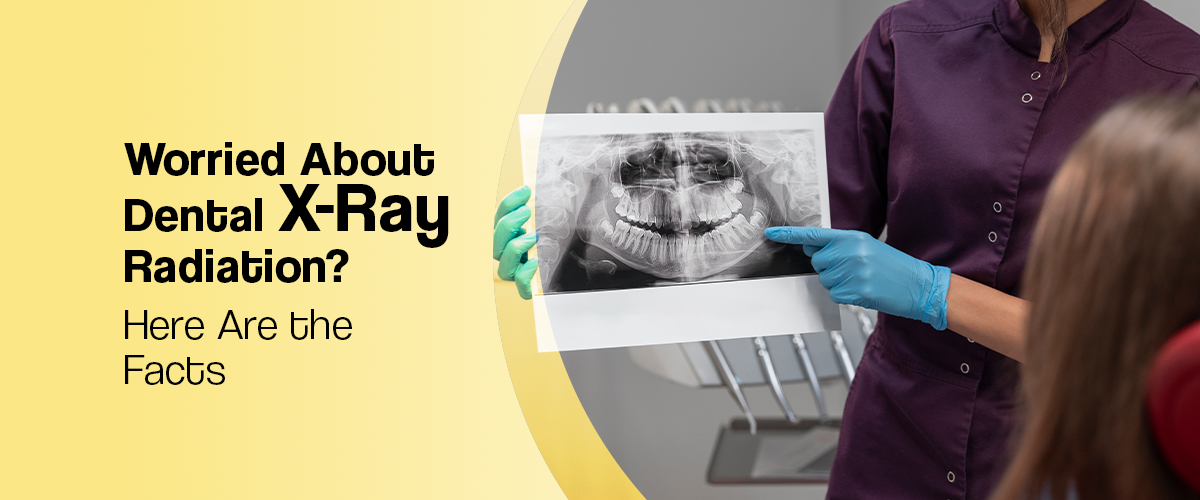
Dental X-rays (If Required)
X-rays are not taken at every visit, but they may be recommended if needed.
They help detect:
Cavities between teeth
Infections below the gum line
Bone loss around teeth
Impacted teeth or hidden issues
Modern dental X-rays use very low radiation and are safe.
Professional Cleaning (Scaling and Polishing)
Many check-ups include professional cleaning, especially if plaque or tartar is present.
Cleaning involves:
Removing hardened tartar
Cleaning areas that brushing cannot reach
Polishing teeth for a smooth surface
This helps prevent cavities and gum disease and leaves your mouth feeling fresh.
Bite and Jaw Evaluation
Your dentist may assess:
How your teeth come together
Signs of grinding or clenching
Jaw joint movement and comfort
This is especially important if you experience headaches, jaw pain, or worn teeth.
Personalised Advice and Recommendations
At the end of the check-up, the dentist explains:
Your current oral health status
Any concerns found
Preventive steps you can take
Whether treatment is needed now or later
No treatment is done without discussion and consent.
What a Dental Check-up Does NOT Involve
Many people worry unnecessarily. A routine check-up:
Does not involve painful procedures
Does not force immediate treatment
Does not take hours
Does not judge your oral habits
It is a supportive, informative visit focused on prevention.
How Long Does a Dental Check-up Take?
A typical dental check-up takes 30 to 45 minutes, depending on:
Whether X-rays are needed
Whether cleaning is included
Your individual oral health
It is designed to fit easily into a normal day.
How to Prepare for a Dental Check-up
Being open helps your dentist care for you better.
When a Check-up Can Prevent Bigger Problems
Advanced gum disease
Dental emergencies
Higher treatment costs
Prevention is always easier than correction.
Final Thoughts
Knowing what to expect during a dental check-up removes fear and uncertainty. A check-up is a simple, preventive step that protects your teeth, gums, and overall oral health. It is not about fixing problems; it is about preventing them.
At Summit Dental Clinic, regular dental check-ups are seen as a partnership between patient and dentist, focused on long-term oral health and comfort.